
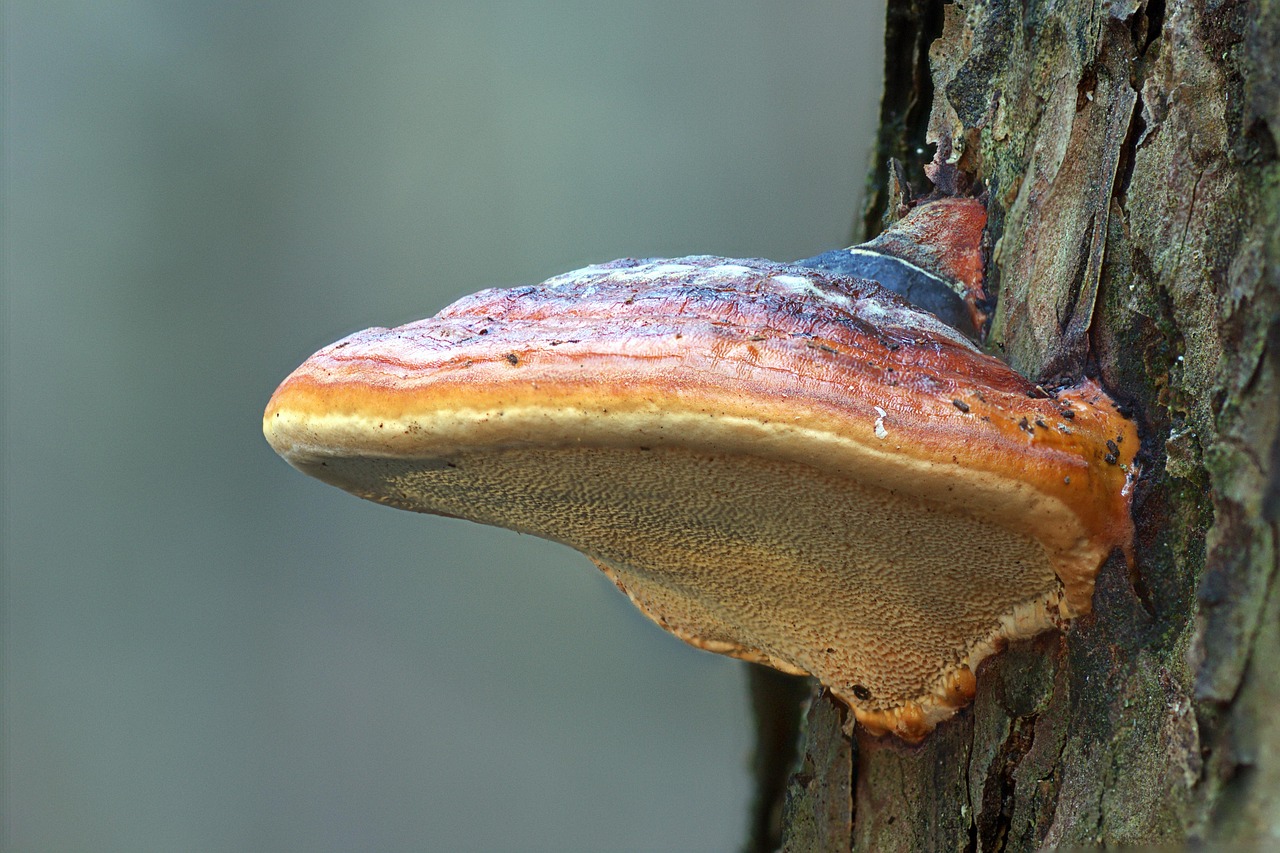
Reishi Mushroom: Ancient Longevity Medicine Backed by Modern Science
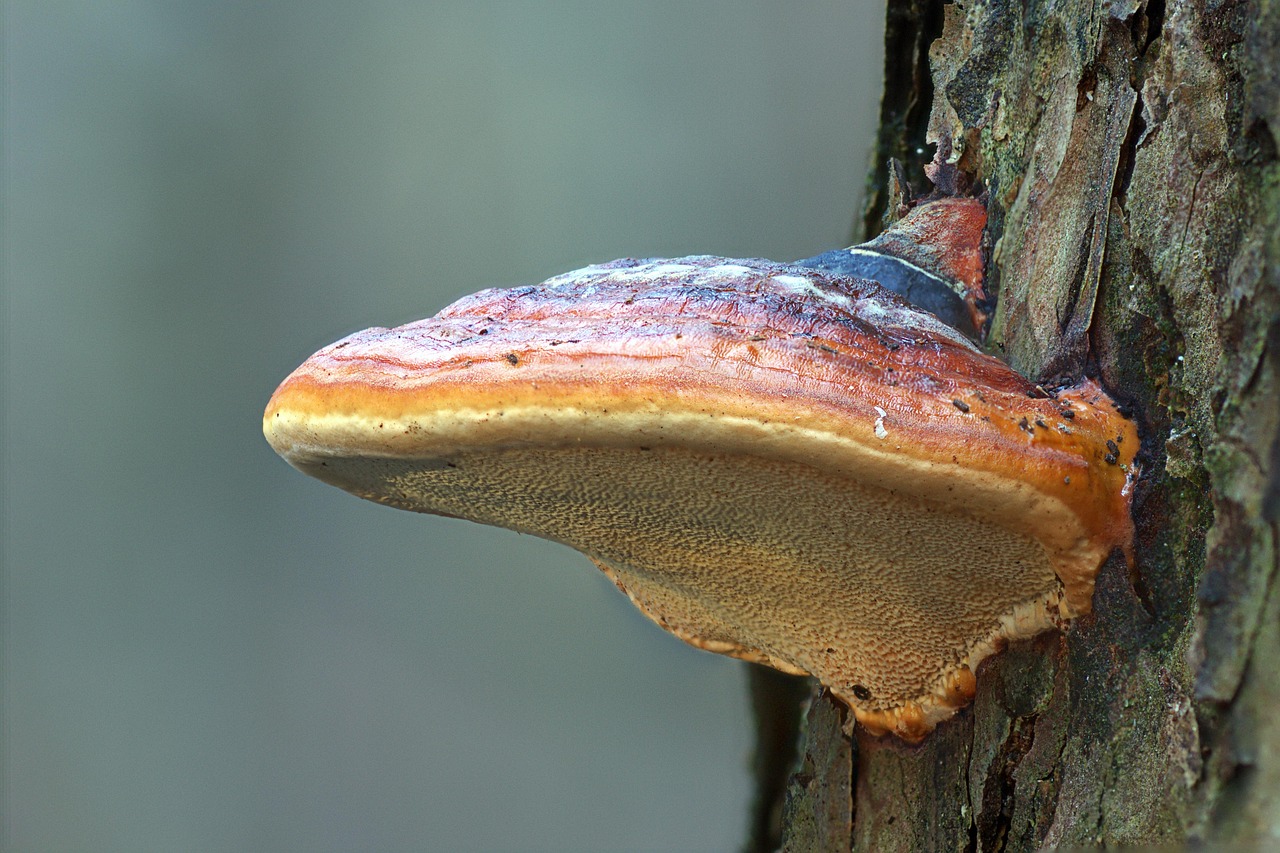
Introduction
For over 4,000 years, Reishi mushroom—known as Ling Zhi in Traditional Chinese Medicine—has been revered as a symbol of longevity, vitality, and spiritual potency.
Often called the “mushroom of immortality,” it was once so rare that it was reserved for emperors and deeply associated with health, balance, and inner harmony.
Today, modern science is beginning to explore and validate many of its traditional uses.
🍄 What Makes Reishi So Powerful?
Reishi contains hundreds of bioactive compounds that work synergistically within the body.
Key components include:
Polysaccharides (beta-glucans) – support immune function
Triterpenoids – anti-inflammatory and antioxidant effects
Proteins and peptides – influence immune regulation
Over 400 bioactive compounds have been identified, contributing to its wide range of therapeutic effects.
🌿 Core Benefits of Reishi Mushroom
1. Immune System Support
Reishi is best known for its ability to modulate—not overstimulate—the immune system.
Research shows it can:
Activate immune cells (T-cells, macrophages, natural killer cells)
Support cytokine production
Enhance the body’s natural defense mechanisms
This makes it valuable for both immune strengthening and balance.
2. Anti-Inflammatory & Antioxidant Effects
Chronic inflammation is at the root of many modern health conditions.
Reishi has been shown to:
Reduce inflammatory pathways
Neutralize free radicals
Support cellular protection and repair
Its triterpenoids play a key role in these effects.
3. Stress, Sleep & Nervous System Support
Traditionally, Reishi has been used to:
Calm the mind
Improve sleep
Reduce fatigue and nervous tension
Modern observations also note its potential role in supporting relaxation and emotional balance.
4. Support During Chronic Conditions
Research has explored Reishi’s role as a complementary therapy in various conditions, including:
Chronic inflammation
Liver health support
Cardiovascular balance
Blood sugar regulation
It has also been studied as an adjunct in cancer care, particularly for its immune-supportive and quality-of-life benefits (not as a standalone treatment).
5. Longevity & Cellular Health
In Traditional Chinese Medicine, Reishi is considered a tonic for longevity.
Modern research supports its role in:
Anti-aging processes
Cellular protection
Supporting long-term vitality
🌿 A Holistic Perspective
What makes Reishi unique is not just its physical benefits—but its energetic and holistic role.
Traditionally, it has been used to:
Nourish the shen (spirit)
Promote emotional balance
Support deep inner calm
This aligns beautifully with a holistic approach that sees health as mind, body, and spirit working together.
⚠️ Important Considerations
While Reishi is generally well tolerated, it’s important to approach it mindfully:
Quality and sourcing are essential
Effects can vary from person to person
It may interact with certain medications (e.g., blood thinners or immune therapies)
Professional guidance is recommended
Mild side effects such as digestive discomfort or skin reactions have occasionally been reported.
🌿 How Reishi Is Traditionally Used
Reishi can be taken in various forms:
Tea or decoction
Powder or capsules
Extracts and tinctures
Historically, it was often consumed regularly as a long-term tonic rather than a quick remedy.
🌿 Final Thoughts
Reishi represents a powerful meeting point between ancient wisdom and modern science.
It is not a quick fix—but a deeply supportive ally for those seeking:
Balance
Resilience
Long-term wellness
When used intentionally, it can become part of a grounded and sustainable approach to holistic health.
